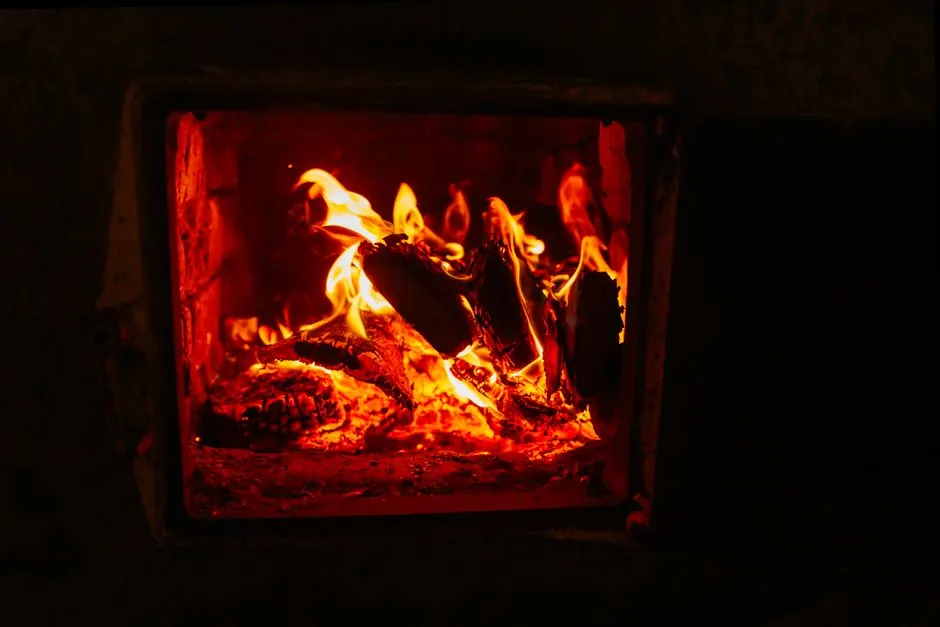
Relighting a furnace pilot light safely means shutting off the gas, waiting five full minutes for residual gas to clear, then using a long lighter to ignite the pilot while holding the reset button down for 30 to 60 seconds. If the flame holds, you're done. If it won't stay lit after two attempts, stop and call a professional - a pilot that refuses to hold usually points to a bad thermocouple, a clogged orifice, or a draft problem that no amount of clicking will fix. This guide walks you through the safe procedure, the Flagstaff-specific reasons pilots fail here, and the exact point where DIY stops being worth the risk.
What a furnace pilot light does and why it goes out
A furnace pilot light is a small, continuously burning flame that ignites the main gas burner when your thermostat calls for heat. On older standing-pilot furnaces - still common in Flagstaff homes built before 1995 - that flame runs 24/7, consuming roughly $3 to $8 of gas per month on its own.
Pilots go out for predictable reasons. A gust of wind through a vent, a brief gas supply interruption, a dirty pilot orifice, or a thermocouple that has finally worn past its service life. In Flagstaff, we see a spike in pilot outages every October and November when the first hard freeze hits and furnaces that sat idle all summer get fired up for the first time.
The thermocouple is the part most homeowners never think about. It's a small metal probe sitting in the pilot flame that generates a tiny electrical current - about 25 to 30 millivolts - which tells the gas valve it's safe to stay open. When that probe fails, the valve shuts off the gas within seconds of the pilot lighting. That's why a pilot that lights but won't stay lit almost always means a thermocouple problem, not a gas supply problem.
Safety first: what to check before you touch anything
Before you relight anything, confirm three things: you smell no gas, your carbon monoxide detector is working, and you know where the furnace's gas shutoff valve is. If you smell gas at any point - a rotten-egg odor near the furnace or anywhere in the house - leave the building immediately and call 911 or your gas utility from outside. Do not flip switches, do not use your phone indoors, and do not try to relight the pilot.
Carbon monoxide is the other silent risk. A furnace that has been running with a cracked heat exchanger or a blocked flue can push CO into the living space. If your CO detector has gone off recently, or if anyone in the house has been waking up with headaches, that's a call-a-pro-today situation, not a pilot-light situation.
You'll also want a long-barrel lighter or a fireplace match. Standard kitchen lighters put your hand too close to the burner assembly, and we've seen more than a few singed knuckles from people trying to make a short lighter work. A flashlight helps too - pilot assemblies sit low and often behind a metal shield.
How do I relight my furnace pilot light in Flagstaff?
You relight a furnace pilot light in Flagstaff the same way you do anywhere else: gas off, wait five minutes, gas valve to Pilot, hold the reset button, light the pilot, hold 30 to 60 seconds, then release and turn the valve to On. The Flagstaff-specific part is knowing that our 7,000-foot elevation and dry winter air make some pilot assemblies fussier than they are at sea level - flames burn slightly differently, and pilot orifices clog faster here because of dust kicked up from our spring winds and summer monsoon season.
If you're in an older neighborhood like Furnace Repair Flagstaff AZ, where a lot of homes still run standing-pilot systems from the 1980s and early '90s, the procedure below is exactly what our technicians do on a service call. Take your time. There's no prize for rushing a gas appliance.
Step-by-step: relighting a standing pilot furnace
Follow these steps in order. If anything feels off - a strong gas smell, a hissing sound, or a pilot that flares dangerously high - stop and shut the gas off at the valve.
- Set the thermostat to Off and the fan to Auto. You don't want the furnace trying to fire while you're working on it.
- Turn the gas control valve to Off. It's usually a round knob on the front of the furnace with three positions: Off, Pilot, and On.
- Wait five full minutes. This is the non-negotiable step. Five minutes gives any residual gas in the combustion chamber time to dissipate. Count it out. Don't cut it to two.
- Remove the pilot access panel. On most furnaces it's a small metal cover held by one or two screws. Set the screws somewhere you won't lose them.
- Turn the gas valve to Pilot. Push the knob in slightly and rotate it to the Pilot position.
- Locate the pilot burner and thermocouple. The pilot is a small tube with a tiny gas port; the thermocouple is the thin copper-and-metal probe sitting right next to it.
- Hold the reset button down. On most valves this is the same knob you're already pressing in. Keep holding it.
- Light the pilot with a long lighter. Hold the flame to the pilot port for a few seconds until the pilot catches. Keep holding the reset button for a full 30 to 60 seconds after the flame is lit.
- Release the reset button. If the pilot stays lit, you're in good shape. If it goes out, wait five more minutes and try once more.
- Turn the gas valve to On and replace the panel. Then set your thermostat back to Heat and listen for the main burner to fire within a minute or two.
If the pilot holds but the main burner never fires, the problem isn't the pilot - it's usually the Furnace Ignition Repair Flagstaff AZ side of the system, and that's a different diagnosis entirely.
What if my furnace pilot light won't relight in Flagstaff?
If your pilot won't relight after two attempts, the cause is almost always one of four things: a failed thermocouple, a clogged pilot orifice, a gas supply problem, or a draft that keeps blowing the flame out. Each has a different fix, and only one of them is a DIY job.
- Failed thermocouple. The pilot lights but dies the moment you release the button. Replacement parts run $10 to $25; a technician swap takes about 30 minutes.
- Clogged pilot orifice. The pilot flame is weak, yellow, or sputters. This is common in Flagstaff after spring dust season. Cleaning requires disassembly and a fine wire - easy to damage if you're not careful.
- Gas supply issue. No flame at all, or a flame that won't sustain. Check that other gas appliances in the house are working. If the water heater is also out, call your gas utility.
- Draft problem. The pilot lights, then goes out when the furnace door is closed or the blower kicks on. This points to a venting or combustion air issue that needs a professional eye.
We get calls from homeowners out in Furnace Pilot Light Repair Flagstaff AZ country every winter where the pilot keeps blowing out because a return-air leak or an unsealed crawlspace is pulling cold air across the burner. That's not a part failure - it's a house problem, and it needs a technician who knows what to look for.
Common mistakes to avoid
The mistakes we see most often are the ones that turn a 10-minute fix into a service call - or worse, a safety issue. Here's what to watch out for.
- Skipping the five-minute wait. This is the number one cause of pilot-light flash fires. Gas accumulates. Five minutes, every time.
- Using a short lighter or match. Your hand ends up directly over the burner. Use a long-barrel lighter.
- Holding the reset button for only a few seconds. The thermocouple needs 30 to 60 seconds of flame to generate enough voltage to hold the valve open. Short-holding is why people think their thermocouple is bad when it isn't.
- Forcing a knob that won't turn. Gas valves are designed to push in before they rotate. If it won't move, don't muscle it - you'll break the valve.
- Relighting after a CO alarm. If your carbon monoxide detector has gone off, do not relight the pilot. Ventilate the house, get everyone outside, and call for help.
- Ignoring repeated outages. A pilot that goes out once is weather. A pilot that goes out three times in a month is a failing component.
When to call a professional
Call a professional if the pilot won't hold after two attempts, if you smell gas at any point, if your CO detector has alarmed, or if the pilot lights but the main burner never fires. Those four situations cover about 90% of the calls we run in Flagstaff, and none of them are worth gambling on with a DIY repair.
Our team at Flagstaff Furnace Repair Pros handles pilot light diagnostics as part of every heating service call. We test the thermocouple, inspect the orifice, check the gas pressure at the valve, and verify the flue is drafting correctly before we leave. If the pilot problem is actually a symptom of something bigger - a failing gas valve, a cracked heat exchanger, or a control board on its way out - we'll find it on the same visit instead of you discovering it in January at 2 a.m.
We also see a lot of pilot issues in homes around Gas Furnace Repair Flagstaff AZ where the furnace is 15 to 25 years old and the pilot assembly has never been serviced. A $180 to $320 tune-up in the fall prevents most of the mid-winter no-heat calls we get in December and January.
Frequently Asked Questions
How do I relight my furnace pilot light in Flagstaff?
Turn the gas valve to Off, wait five minutes, turn it to Pilot, hold the reset button, light the pilot with a long lighter, and keep holding for 30 to 60 seconds. Release the button, then turn the valve to On. If it won't hold after two tries, call a technician.
Is it safe to relight a furnace pilot light in Flagstaff AZ?
Yes, if you smell no gas and your CO detector is functioning. Never relight if you detect a rotten-egg odor or if the CO alarm has sounded. Follow the five-minute wait rule and use a long lighter, not a short match.
What if my furnace pilot light won't relight in Flagstaff?
After two failed attempts, stop. The most common causes are a failed thermocouple ($10-$25 part), a clogged pilot orifice, a gas supply interruption, or a draft problem. A technician can diagnose all four in a single visit, usually within an hour.
When should I call a pro to relight pilot light in Flagstaff AZ?
Call a pro if the pilot won't hold after two attempts, if you smell gas, if the CO detector alarms, or if the pilot lights but the main burner never fires. Any of those four means the problem is beyond a simple relight.
Can I relight a furnace pilot light myself in Flagstaff?
Yes, on a standing-pilot furnace, relighting is a reasonable DIY job if you follow the safety steps. If your furnace was built after roughly 2010, it likely has electronic ignition instead - there's no pilot to relight, and a no-heat call means a different repair.
Get help with Furnace Repair in Flagstaff
If your pilot won't stay lit, your main burner won't fire, or you'd rather not spend another cold Flagstaff night troubleshooting a gas appliance, we can be at your door today. Our technicians carry thermocouples, pilot assemblies, and ignition components on every truck, so most pilot-light repairs are finished in a single visit.
Call Flagstaff Furnace Repair Pros at (928) 270-0357 and we'll get your heat back on.